

Why Your Business And Personal Finances Are Definitely Interrelated

Perhaps it seems like a no-brainer, but it’s important for business owners to keep in mind: Business and personal finances are intimately related. All of us have personal financial lives, and they dictate what we’re able to do in our business. In the same way, how our business is doing financially vastly informs what we’re doing in our personal financial lives. Today, I’m talking about how the two effect each other and why it’s important to be aware of that.
Where Business and Personal Meet
In the past, I’ve written about the importance of separating the two by opening different accounts. Keeping things separate means more clarity about what’s going on in both financial realms. However, just because you want to look at them separately, doesn’t mean they shouldn’t inform one another. I’m also in support of checking in with your lifestyle costs and making sure your target revenue aligns with those. I’m a firm believer in making sure your lifestyle costs and your life’s goals are the things that inform how much revenue you want your business to take in.
Many finance and business coaches like to throw out round numbers: “Increase your revenue by $5,000!” “Have your first $100K year!” However, these are more helpful in their marketing schemes, rather than your real life. Personally, I find that when your income goals are directly linked to your lifestyle costs and your long term goals, they have much more meaning to you. Doing the work of figuring out what your costs and goals are also keeps you checked in with where your money is going, and where you are going in your life. The way we spend our money and what we do with it directly correlates with how we treat ourselves. In my mind, a revenue target should be an invitation to self care and personal fulfillment.
Working Backwards
If you’re struggling to picture how your business income goals can be informed by your lifestyle costs, I invite you to try a little exercise. In my money-mapping series, I go in-depth on how to create a money map that encompasses your business earnings and your personal accounts. You can sketch one up for yourself, and then start from the personal end on the right. Total up the amount of money you need for financial goals and living expenses, and then move toward the business end and see whether your business is producing that amount of revenue. A big part of this exercise is actually understanding what your lifestyle costs you – and that’s important to your business finances too!
The Whole Pie
 The bottom line here is that it’s important to look at both your personal and your business finances separately, and as they relate to each other. We have to look at the whole pie, so to speak. Many business owners might have one field or the other down pat, but having confidence in both areas takes a bigger understanding of how they work together. If you feel you have a lot of clarity in your business but struggle to pay personal bills, or vice versa, it’s time to take a step back and re-evaluate. The two inform each other.
If you appreciated this post and found the opportunity to think about personal and business finances helpful, you’re in for a treat! I am beginning to add personal financial coaching into my practice, and this month I’m looking for three small business owners to get started working with at a special low introductory fee. If that’s something that interests you, click here to set up a free 30-minute consultation, where we can see if we’d work well together.

Angela



 afternoon off, a fun or inspiring event, or whatever you’d like to do to celebrate your achievements so far! Being a self-starting solopreneur is hard work. If you’ve done the work, you deserve to cheer yourself on once in a while.

 When you’re making your plan, be sure to adapt your goals to what’s worked so far this year. If you really love a certain routine or feel fired up to keep working toward a certain goal, go for it. If you’ve stalled on a project because you need to do more research, carve out some time to go back to the drawing board. When charting your course, keep your own needs and preferences in mind.
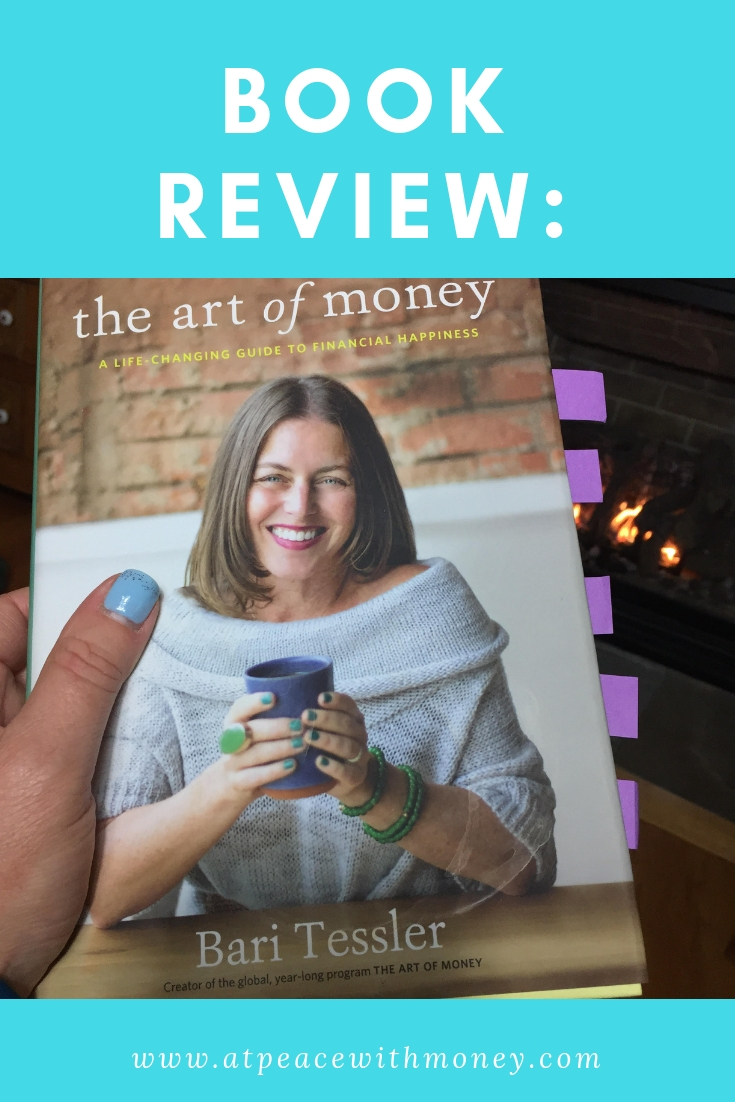
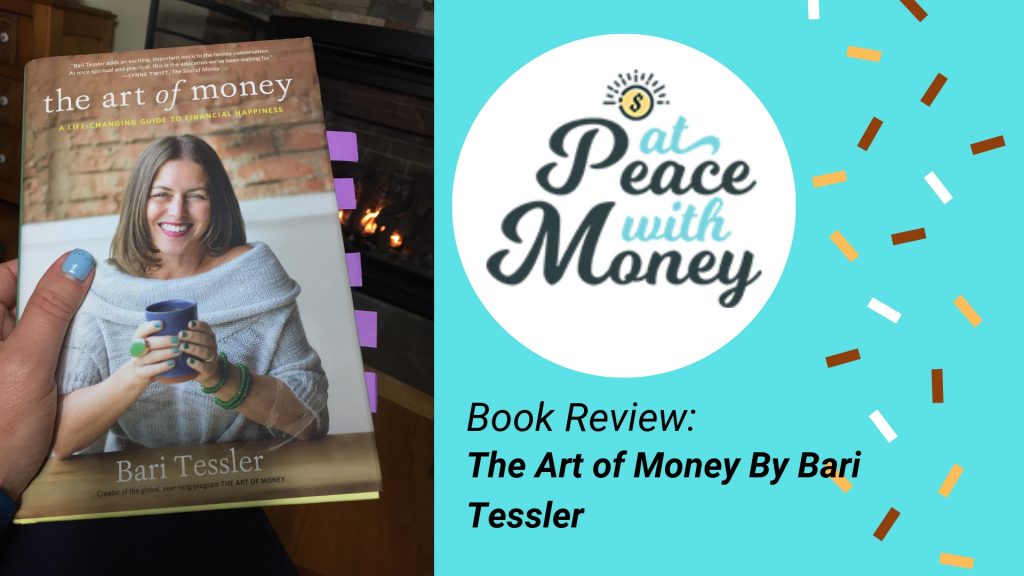
 Her final phase deals with goals, dreams and plans. Her philosophy holds that when you have healed your relationship with money and have tools in place to address it, you can start to see the bigger picture and how your dreams can become reality. This book can be a great resource, but particularly if you have money beliefs or blocks that are holding you back. It provides support and practical tools to heal and move forward with improved financial self care. My posts this month will feature other ideas and support around this topic. If you are ready for more in-depth help around your money systems, I invite you to